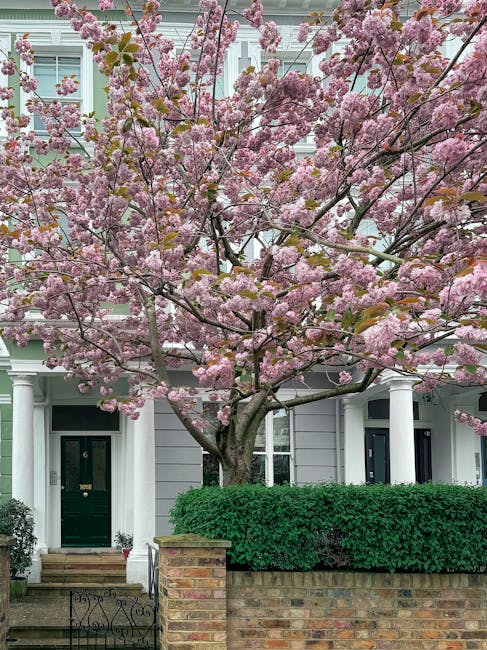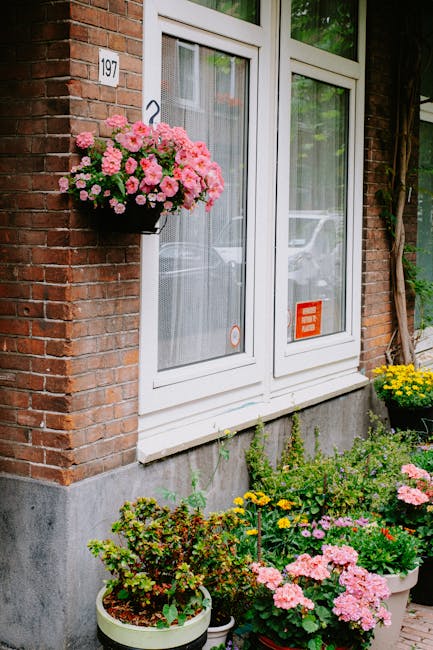
TW2 gardeners for small front gardens on Twickenham Green: practical ideas, local know-how, and space-savvy garden care
If you live near Twickenham Green, you already know the charm of a front garden can be outsized even when the space is tiny. The right TW2 gardeners for small front gardens on Twickenham Green can turn a cramped strip of paving, soil, and hedge line into something neat, welcoming, and surprisingly full of character. That might mean a smarter layout, better planting, cleaner edges, or simply making the whole place easier to live with. Truth be told, small front gardens have a way of exposing every mistake. They also reward good decisions fast.
In this guide, you'll find a practical, local-friendly approach to shaping a front garden that looks polished without becoming high-maintenance. We'll cover design choices, working methods, common errors, and the details that matter most when space is tight, traffic is close, and the front of the house needs to feel tidy all year round.
Why TW2 gardeners for small front gardens on Twickenham Green matters
Small front gardens are not just decorative. They shape first impressions, influence how welcoming a home feels, and can quietly improve day-to-day life. On streets around Twickenham Green, frontage space often has to do several jobs at once: soften the house, define the path, hide bins or utility clutter, and stay presentable through wet weather, leaf fall, and the general wear of a London season.
A good front garden plan also respects scale. What looks neat in a large back garden can feel awkward at the front. Tall shrubs can block light, aggressive planting can swallow the path, and overcomplicated features can make a small space feel fussier than it should. That's where experienced gardeners help. They understand proportion, sightlines, drainage, and the simple fact that a front garden is viewed up close, from the pavement, and often in a rush as you head out the door.
There's another reason this matters locally. Twickenham Green has a pleasant, established residential feel, which means front gardens are part of the wider streetscape. A well-kept frontage supports kerb appeal without shouting for attention. Done properly, it feels calm, tidy, and a bit more expensive than it was. Not bad for a modest space.
For homeowners who want dependable upkeep rather than constant weekend tinkering, broader garden maintenance support can be just as valuable as one-off design work. And if the front area needs reshaping from scratch, landscaping services may be the right foundation before planting begins.
How TW2 gardeners for small front gardens on Twickenham Green works
Working on a small front garden is less about doing more and more about doing the right things in the right order. A decent gardener will usually begin with a quick assessment of how the space behaves: where the light falls, where water sits after rain, what is visible from the street, and which parts are practically off-limits because of access, steps, or utilities.
From there, the work usually moves through a few clear stages:
- Assessment and priorities. Decide what the garden must achieve first. Tidy entrance? More privacy? Easier maintenance? Better planting? Safer access?
- Clear-out and reset. Remove dead growth, litter, unwanted weeds, ivy, or struggling shrubs. If a front hedge is overgrown, it may need careful reduction rather than a rushed chop.
- Structure first. Define the path, borders, edge lines, and any hard landscaping. In small spaces, structure matters more than scale.
- Planting plan. Choose plants that suit exposure, shade, and the amount of attention the space will realistically get.
- Finishing and maintenance plan. Mulch, tidy edging, check drainage, and set a simple ongoing routine.
That sequence sounds obvious, but you'd be surprised how often it's skipped. People jump straight to planting because that's the fun bit. Then three weeks later, the path feels crowded and the soil keeps drying out under a tricky bit of brick wall. Small gardens are unforgiving in that way. They ask for planning, not impulse.
Where climbing plants or vertical features are part of the brief, a specialist may suggest a wall trellis, slender support, or careful use of evergreen structure. If you want ideas that make small spaces feel fuller without taking up precious ground, the article on vertical gardening culture is a useful companion read. For awkward corners, evergreen climbers can work well when chosen sensibly.
Key benefits and practical advantages
When a front garden is small, every improvement counts. A tidy border or a well-chosen plant can change how the whole property feels. The benefits are practical as well as visual.
- Better kerb appeal: A neat frontage can make a home feel cared for immediately.
- Less maintenance stress: A good design reduces the amount of weekly fussing.
- Improved access: Paths, steps, and gates stay easier to use when planting is controlled.
- More useful space: Smart use of containers, edging, and low planting prevents clutter.
- Seasonal interest: Small gardens can still look good in winter, not just in spring.
- Better privacy: The right hedge or planting screen can soften a street-facing view without making the area feel boxed in.
There's a big difference between a front garden that is technically maintained and one that feels intentional. One looks like a task list. The other looks like someone thought about it. That distinction matters more than people admit.
For low-maintenance results, it often helps to pair good planting with simple hard surfaces and tidy lines. If the surface is tired or slick, patio cleaning can help restore the whole entrance area. And if you're after a simpler planting palette, the guide on low-maintenance garden design on a budget offers some practical thinking that suits smaller front plots particularly well.
Who this is for and when it makes sense
This kind of garden work makes sense for a lot of different homeowners, not just people with no time. In fact, some of the most careful front gardens belong to people who do care but want the space to stop demanding so much attention.
You may benefit from professional help if:
- your front garden is too small to trial-and-error your way through planting
- the entrance feels cluttered or unbalanced
- the garden gets shaded, windy, or dry and nothing seems to thrive
- you want more privacy without making the house look hidden away
- the garden needs regular tidy-ups but never a full redesign
- you're preparing to sell and want the frontage to look its best
- you've got children, pets, or frequent foot traffic and need practical safety as well as style
Small front gardens are also a good fit for people who like a calm, ordered look. If you prefer a simple scheme with one or two strong ideas rather than a busy mix, you'll probably get better results faster. On the other hand, if you want a lush, layered look, it can still be done. It just needs restraint and good plant choice.
For households balancing practicality and safety, safe garden planning for children and dog-friendly garden ideas can be surprisingly useful, even in the front garden context.
Step-by-step guidance
If you're trying to improve a small front garden yourself, or you want to understand what a gardener should be doing, this is a sensible working order.
1. Measure the usable space, not just the boundary
Start with the real walking line. Measure the path width, the distance from the front door to the gate, and any awkward corners where bins, meters, or railings eat into the available area. A front garden can look bigger on paper than it is in daily use.
2. Decide what must stay
Keep the features that do a job. A small tree with good shape may be worth retaining; a thicket of tired shrubs may not. If ivy has crept into walls or fences, deal with it properly rather than trimming around the problem. The post on removing ivy with confidence is handy if that sounds familiar.
3. Build a simple structure
Choose one clear layout. For example:
- a straight path with border planting on one side
- two matching containers by the entrance
- a low hedge line with a single focal shrub
- raised edging to separate soil and paving cleanly
Simple is not boring. In a small front garden, simple often reads as elegant.
4. Choose plants with scale in mind
Pick plants that stay within bounds or respond well to pruning. Ground covers can soften bare soil and suppress weeds. Compact evergreen shrubs can hold shape through winter. Herbs can work in bright spots if you like a practical touch. The guide to herb gardening for every yard gives ideas that fit compact spaces nicely, especially near a sunny doorway.
5. Add weed control and mulch
Small gardens become untidy quickly if weeds get ahead of you. Good preparation saves a lot of grief. Mulch helps retain moisture, protects roots, and gives the bed a finished look. If you want more background, there's a useful read on beating weeds and improving garden appearance.
6. Finish with edges and access points
Sharp edging around borders and paths makes the whole area look better. It also makes maintenance easier. To be fair, this is one of those jobs people notice most without realising why. Crisp edges quietly do a lot of heavy lifting.
7. Put a maintenance rhythm in place
A small front garden doesn't need a huge routine, but it does need consistency. Light pruning, a quick weed check, and seasonal tidy-ups will usually keep it in shape. If you'd rather outsource that rhythm, ongoing garden maintenance is often the simplest route.
Expert tips for better results
Here are the things that tend to separate a decent small front garden from one that really works.
- Use repetition wisely. Two or three repeated plants can look more intentional than a lot of different species squeezed together.
- Keep the front door zone open. A slightly open entrance feels more welcoming than a crowded one.
- Think in layers, not heights. Low planting at the front, medium structure behind, and a single vertical note can be enough.
- Match the maintenance level to reality. If you only want to garden lightly, do not choose a scheme that demands weekly pruning.
- Use containers where the soil is poor. They give flexibility and are easier to refresh seasonally. The article on container gardening is useful if you want a quick win.
- Plan for winter first. A front garden that looks good in February as well as June feels far more complete. There's a thoughtful piece on winter shelter for plants that fits this mindset.
One practical tip from real-life front gardens: stand across the road and look back at the house before planting anything. It sounds almost too simple, but it helps you spot scale issues immediately. What looked charming from the doorstep can suddenly look crowded from ten metres away.
If your frontage gets a fair bit of wind, you may also want to consider planting choices and sheltering strategies discussed in reducing wind exposure in gardens. Wind can be a bigger problem than frost in some exposed spots.
Common mistakes to avoid
Small front gardens punish overconfidence. A few errors come up again and again.
- Planting too densely. It looks full for a month, then turns into a maintenance headache.
- Choosing shrubs that outgrow the space. A plant label is not the same as a mature reality.
- Ignoring drainage. If water sits by the path or wall, the garden will always feel messy.
- Using too many materials. A mix of gravel, brick, timber, and decorative stone can become visually noisy.
- Blocking visibility at the entrance. Safety and ease of use matter, especially near steps and doors.
- Forgetting seasonal maintenance. Even a smart planting scheme can look tired if the hedge is never trimmed.
There's also the classic mistake of treating the front garden like a mini back garden. It isn't. The front is more public, more exposed, and more likely to be judged from a passing glance. That doesn't make it harder exactly, but it does make it different.
If hedges are part of your layout, the guide on professional hedge trimming is worth a look. A tidy hedge can frame a small space beautifully; a neglected one can swallow it whole.
Tools, resources and recommendations
You do not need a shed full of kit to keep a small front garden looking good. A sensible few tools go a long way.
- hand trowel and border fork
- secateurs for light pruning
- hedge shears or powered trimmer for regular shaping
- garden gloves with decent grip
- watering can or hose access for dry spells
- hoe or hand weeder for tight spaces
- mulch, compost, and edging materials suited to the design
If you're starting from scratch, the article on must-have gardening equipment covers the basics without overcomplicating things. For improving soil health, turning leftovers into earth's gold is a plain-English guide to composting that makes sense for compact gardens too.
On the plant side, some of the most reliable choices for small front gardens are often the simplest: low evergreen structure, ground cover, compact perennials, herbs in containers, and a couple of seasonal highlights. If you want ground-cover ideas suited to UK conditions, see ground cover plants for UK garden landscapes. For shady front gardens, keeping options evergreen can stop the place feeling bare in winter.
Law, compliance, standards, or best practice
For most small front gardens, the main compliance issue is not paperwork. It is common-sense safety and respectful maintenance. If work involves trees, walls, paths, access routes, or shared boundaries, a careful gardener will think about risk and neighbour impact before they start. That is just good practice.
Some basics are worth keeping in mind:
- Do not obstruct pavements or sightlines. Front-facing planting should stay within sensible bounds.
- Take care near services and utilities. Before digging, any underground pipes, cables, or fixtures should be considered carefully.
- Use safe working methods. Tools, ladders, and cutting equipment need proper handling.
- Respect boundaries. Trees, hedges, or climbing plants that affect neighbours should be managed thoughtfully.
- Keep waste disposal tidy. Cuttings should be removed or composted properly, not left to blow around.
Where safety and insurance are concerned, it is wise to use providers with clear policies and transparent working practices. You can review details such as insurance and safety, health and safety policy, and terms and conditions before booking. If privacy matters, the site's privacy policy, cookie policy, and accessibility statement are also there to review.
For more background about the business and its working approach, about us gives a useful sense of tone and standards. And if you ever need to ask a direct question, you can use the site's contact page.
Options, methods, or comparison table
When improving a small front garden, the main question is usually which approach fits the space and your lifestyle. Here's a straightforward comparison.
| Approach | Best for | Pros | Watch-outs |
|---|---|---|---|
| Low-maintenance planting | Busy homeowners, tidy frontage | Less work, clean visual lines, reliable year-round shape | Can look plain if there is no variety in texture or height |
| Container-led design | Poor soil, small paved fronts, flexible schemes | Easy to rearrange, seasonal refresh, good for colour | Needs watering and feeding more often |
| Soft landscaping with ground cover | Small soil beds and awkward borders | Helps suppress weeds, softens hard edges, looks natural | Some covers spread quickly if not managed |
| Structured hedge and topiary style | Formal houses, neat street presence | Strong shape, privacy, clear boundary definition | Regular trimming is essential |
In practice, many front gardens work best with a mix. A tidy structural plant, one container by the door, and a low-maintenance edging scheme often beats a complicated all-in-one makeover. Less can be more. Quite a lot more, actually.
Case study or real-world example
Here's a realistic example based on the sort of front garden many Twickenham Green homeowners recognise. The space was small, open to the street, and visually uneven. A narrow path ran to the door, one side bed had tired shrubs, and the other side was mostly bare soil with a few weeds hanging on for dear life.
The aim was not to create a show garden. It was to make the entrance feel calm, easy to maintain, and welcoming in all seasons.
The gardener's approach was fairly simple:
- clear the dead and overcrowded material
- keep one healthy evergreen as a focal point
- replace patchy soil with a neater, mulched border
- add two containers near the entrance for seasonal colour
- shape the hedge line so the path felt more open
- use a small amount of vertical interest against a wall rather than filling the ground
By the end, the garden looked bigger. Not because the footprint changed, obviously, but because the eye could travel through it more easily. The path was clearer. The planting felt deliberate. And the whole front of the house seemed calmer, even on a grey afternoon when the street itself was a bit busy and damp.
That kind of result is a good reminder: in small front gardens, the main win is often clarity. After that comes charm.
Practical checklist
Use this quick checklist before you begin or before you brief a gardener.
- Have I decided the garden's main purpose?
- Is the path comfortable and safe to use?
- Do I know which plants are staying and which are going?
- Have I checked for shade, wind, and drainage issues?
- Am I choosing plants that match the maintenance level I can keep up?
- Will the design still look good in winter?
- Have I allowed enough space for growth?
- Do I need help with hedge shaping, weed control, or border reset?
- Is there a simple maintenance plan after the initial work?
- Have I reviewed safety and policy information where needed?
If a few of those answers are uncertain, that is perfectly normal. It usually means the project needs a clearer plan rather than more plants.
Get a free quote today and see how much you can save.
Conclusion
Small front gardens on Twickenham Green do not need to be grand to be good. They need to be thoughtful. A clear layout, sensible planting, tidy edges, and a maintenance rhythm that matches real life can transform a front plot from "always nearly sorted" into something that genuinely feels finished.
If you take one thing from this guide, let it be this: the best front gardens are usually the ones that work quietly. They don't demand constant attention, and they don't try too hard. They just look right. And in a place like TW2, that understated confidence suits the street beautifully.
When the front of the house feels calm, the rest of home life tends to breathe a little easier too. Funny how that works.
Frequently Asked Questions
What do TW2 gardeners for small front gardens on Twickenham Green actually do?
They usually assess the space, clear overgrowth, improve planting structure, shape hedges or borders, and create a front garden that looks neat and is easy to maintain. In many cases, they also help with design decisions so the space doesn't become crowded or awkward.
How do I make a very small front garden look bigger?
Keep the layout simple, use repetition, avoid overplanting, and make the entrance zone feel open. Tidy edging, low planting, and one or two vertical accents can make a surprising difference.
What plants work best for a compact front garden in TW2?
Usually a mix of compact evergreens, hardy ground cover, seasonal containers, and a few plants that suit the light levels. The exact mix depends on whether the garden is sunny, shaded, windy, or sheltered.
Is container gardening a good option for a small front garden?
Yes, especially if the soil is poor or you want flexibility. Containers are useful near entrances because they can be changed with the seasons and moved if the layout needs adjusting.
How often should a small front garden be maintained?
That depends on the planting, but many small gardens benefit from light attention every couple of weeks in the growing season and a more thorough tidy-up at key times of year. A simple routine is usually enough if the design is sensible.
Can a small front garden still have privacy?
It can, but privacy needs to be handled carefully. Low hedging, narrow evergreens, or a small screening feature can soften views without closing the space in. Tall, bulky planting is usually a bad trade-off in front gardens.
What are the most common mistakes in small front garden design?
Overcrowding, picking plants that grow too large, ignoring drainage, and making the front path feel cramped are the main ones. A garden can look full and still feel cluttered, which is the trap many people fall into.
Do I need a full landscaping job or just garden maintenance?
If the structure is already sound and the space mostly needs tidying, pruning, or replanting, maintenance may be enough. If the layout is awkward, the surface is tired, or access is poor, then landscaping may be the better first step.
How much should I expect to spend on a small front garden project?
Costs vary depending on what needs doing, how much clearing is involved, and whether you want planting, hard landscaping, or ongoing care. The sensible approach is to get a quote based on the actual site rather than guessing from the size alone.
Are there safety or legal issues to think about with front gardens?
Yes, mainly around safe access, clear sightlines, and careful work near boundaries, paths, and utilities. Good practice matters most here. If work involves cutting, digging, or tree-related tasks, it is wise to use proper safety procedures and check insurance information.
Can a gardener help with overgrown hedges or ivy at the front of the house?
Yes. Hedges, ivy, and similar growth often need regular control in front gardens because they can quickly dominate a small space. A careful approach is better than a hard rush job, especially near walls and entrances.
What should I ask before booking a gardener for my small front garden?
Ask what they recommend for your space, whether they handle maintenance as well as design, how they manage waste, and whether they can explain the plan in plain English. If they can show they understand small-scale front gardens, that is usually a good sign.