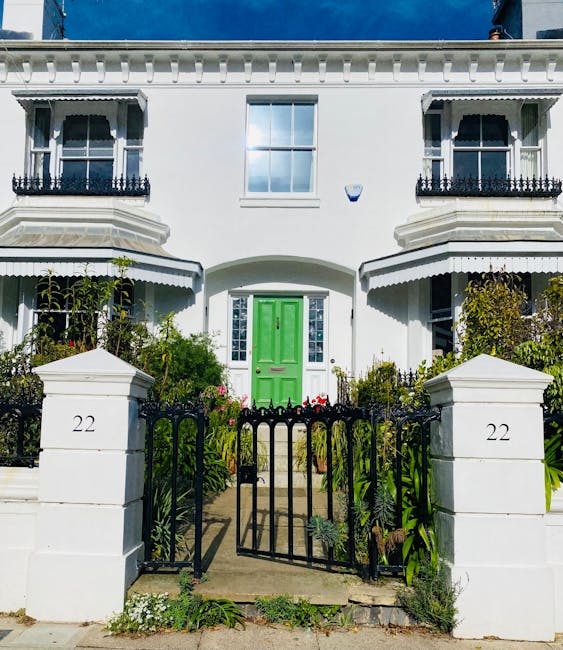
Strawberry Hill gardeners for period properties and listed gardens
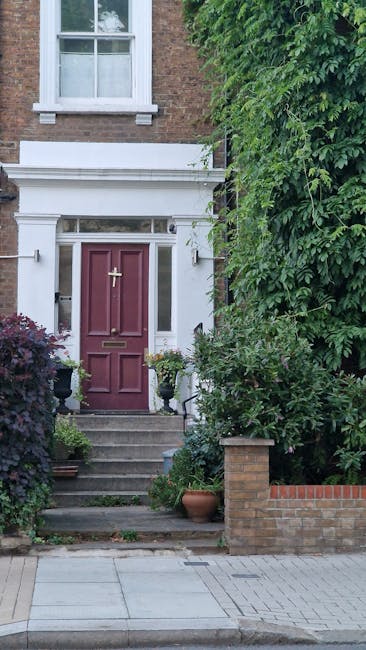
If you own a Georgian terrace, a Victorian villa, or a home with a protected garden in Strawberry Hill, you already know the problem: the garden has to look right, feel right, and stay within the boundaries of heritage care. That is exactly where Strawberry Hill gardeners for period properties and listed gardens make a real difference. The work is never just "tidy it up and move on". It is about conserving character, respecting original planting ideas, and making sensible choices that suit both the building and the landscape around it.
In practice, that means a garden can be refreshed without losing its historic rhythm. Paths stay elegant. Borders remain believable. Trees, hedges, and climbers are managed with a light touch. And if there are listed-building considerations, the whole approach has to be careful, well judged, and properly documented. Let's face it, heritage gardens can be beautiful but fussy. The reward, though, is enormous.
This guide explains how specialist gardeners work with period properties and listed gardens in Strawberry Hill, what to expect, where mistakes happen, and how to plan a project that feels authentic rather than overdone.
- Why it matters
- How it works
- Key benefits
- Who it is for
- Step-by-step guidance
- Expert tips
- Common mistakes
- Tools and resources
- Law, compliance and best practice
- Options and comparison
- Real-world example
- Practical checklist
- Conclusion
- Frequently asked questions
Why Strawberry Hill gardeners for period properties and listed gardens Matters
Period properties are not ordinary plots with older brickwork. The garden is often part of the whole visual story. A clipped yew, a long lawn edge, a mature camellia, or even the line of a boundary hedge can help frame the house and preserve its sense of age. If the planting feels too modern or too harsh, the garden and the building start to fight each other a bit. Nobody wants that.
Heritage-sensitive gardening matters because older landscapes often carry value beyond the plants themselves. There may be surviving features such as old walls, original steps, established shrubs, heirloom fruit trees, or a layout that reflects the house's period. Some of those details are fragile. Others can be damaged quietly, over time, by heavy machinery, impatient pruning, or the wrong materials.
It also matters because listed gardens and gardens around listed structures can bring practical obligations. You may need to avoid alterations that change the character of the setting. That does not mean nothing can be done. It means every decision should be proportionate, reversible where possible, and sympathetic to the site. In our experience, the best outcomes come from gardeners who understand restraint. Not every job needs a dramatic makeover.
If you want a broader service picture around ongoing upkeep, it can help to explore garden maintenance support for established plots alongside heritage-specific care.
How Strawberry Hill gardeners for period properties and listed gardens Works
Good heritage gardening starts with observation. Before a single plant is moved, the garden needs a proper read-through: what is original, what has been added later, what is thriving, and what is struggling. A careful gardener will look at structure first, then planting, then maintenance needs. That order matters more than most people realise.
The usual process is straightforward, even if the details are quite specialised:
- Site assessment - the gardener identifies historic features, microclimates, drainage issues, root constraints, access points, and any areas that look sensitive.
- Heritage review - the garden's age, style, and visible character are considered before changes are suggested.
- Practical plan - tasks are grouped into immediate safety work, medium-term improvements, and seasonal maintenance.
- Plant and material choices - replacements are chosen for compatibility, not fashion.
- Careful execution - pruning, hedge shaping, lawn work, soil improvement, and cleaning are done with low-impact methods.
- Ongoing monitoring - heritage gardens do better when they are reviewed regularly rather than left until they become overgrown.
That low-impact approach can include anything from selective pruning and root-friendly planting to discreet repairs of borders or paths. It may also involve keeping mature trees balanced, managing ivy without stripping bark, or introducing suitable ground cover so bare patches do not become weed farms. If your garden has a heavy ivy problem, there is a useful practical read on removing ivy safely and thoroughly.
And yes, sometimes the best work is the work nobody notices. That is usually a good sign.
Key Benefits and Practical Advantages
There is a very real advantage to hiring gardeners who understand period properties and listed garden settings. The point is not simply neatness. It is continuity, control, and confidence.
- Preservation of character - planting and hardscape choices stay in tune with the age and style of the property.
- Lower risk of accidental damage - careful methods reduce the chance of harming masonry, roots, old timber, or historic borders.
- Better long-term maintenance - heritage gardens usually respond better to steady, planned care than sporadic big clear-outs.
- Improved plant health - mature shrubs, climbers, and lawns benefit from the right seasonal treatment.
- Cleaner sightlines - mature gardens often need selective editing, not wholesale redesign.
- More usable space - respectful improvements can make the garden easier to enjoy without flattening its personality.
There is also a commercial benefit, if we are being practical about it. A well-kept heritage garden can improve the overall impression of a property, which matters when visitors, tenants, buyers, or conservation reviewers are involved. Even the smaller things count: a balanced hedge, tidy paving, and borders that look intentionally maintained rather than left to chance.
For plots with mixed planting styles, support from specialist content such as low-maintenance garden ideas can help you keep the upkeep realistic without flattening the garden's personality.
Who This Is For and When It Makes Sense
This kind of service is not only for grand estates. Plenty of Strawberry Hill homes have period details worth protecting, from decorative front gardens to formal rear spaces and shared landscapes. If the property has a historical feel, the garden probably does too.
You may need this service if you are:
- owning a listed home or a home in a conservation-sensitive setting
- restoring a garden that has become overgrown but still has historic bones
- trying to replace tired planting without losing the property's character
- managing a rental or family home where the garden needs tidy, repeatable upkeep
- dealing with mature trees, old hedges, or established boundary planting
- wanting a garden that feels authentic rather than newly manufactured
There are also moments when it makes sense to bring in a specialist after weather damage, vacancy, or a long period of neglect. A neglected heritage garden can look deceptively simple from the outside, but underneath there may be root congestion, hidden self-seeding, broken edging, or tired soil. If you are starting from a difficult place, a practical reset guide like essential starter tips for a garden comeback can help you think in phases rather than in panic.
Truth be told, the worst time to improvise is when the garden already looks a bit chaotic. That is when a steady hand matters most.
Step-by-Step Guidance
If you are planning work on a period property garden, this is the safest way to approach it.
1. Start with a proper survey of the space
Walk the garden slowly. Note what feels original, what feels intrusive, and what could be improved without changing the site's identity. Take photos. A little boring, perhaps, but it saves arguments later.
2. Separate essentials from wish-list ideas
Split the work into three categories: urgent safety work, necessary maintenance, and aesthetic upgrades. A leaning tree or blocked path comes before ornamental tweaks every time.
3. Protect the historic features first
Before cutting, lifting, or planting, work out what needs protecting. That might mean using hand tools near stonework, avoiding deep cultivation close to old foundations, or keeping heavy equipment away from soft lawns and fragile edging.
4. Decide what should stay, be reduced, or be replaced
In a heritage garden, mature does not automatically mean valuable, and old does not automatically mean right. Some plants will be worth saving. Others will be better reduced or replaced with something that suits the site better. A measured eye helps here.
5. Use a seasonal maintenance rhythm
Older gardens almost always do better with a calendar of work rather than one-off visits. Winter checks, spring tidying, summer edging, and autumn leaf management all keep the place from slipping into that half-loved look.
6. Build in review points
After each round of work, step back and reassess. Does the balance still feel right? Has the light changed? Did the pruning reveal a view worth keeping? These small pauses are where good heritage gardening becomes excellent.
Expert Tips for Better Results
Here is the sort of advice that tends to matter most in real gardens, not just on paper.
- Prune for shape, not volume alone. A period garden often needs a controlled silhouette, not a hard chop.
- Respect the garden's age in your plant palette. Cottage-style, formal, and Georgian-inspired spaces all have different planting moods.
- Keep edging crisp. It sounds small, but crisp edges quietly restore structure to an older plot.
- Use ground cover where bare soil keeps returning. It reduces weeding and softens the look. A good starting point is ideas for ground cover plants suited to UK gardens.
- Do not rush ivy or climber removal. Old walls and bark need patience.
- Prioritise drainage where puddling or dampness is persistent. Heritage plots often hide drainage issues until you look closely.
- Choose maintenance-friendly plants near access routes. You will thank yourself later.
One more thing: if the garden is windy, sheltered planting may be a better first move than trying to fight the site with force. There is useful practical thinking in managing wind exposure in gardens, especially for exposed terraces and taller boundaries.
And yes, patience is part of the craft. A heritage garden usually improves in layers, not all at once.
Common Mistakes to Avoid
Most problems in period gardens come from overconfidence. A bit of enthusiasm is fine. Too much, and the character goes missing fast.
- Over-pruning mature shrubs and hedges - this can strip shape, stress the plant, and expose bare wood.
- Replacing everything at once - you lose the sense of continuity that makes older gardens feel believable.
- Using modern materials that clash - shiny, harsh, or oversized materials can jar against old brick, stone, or traditional planting.
- Ignoring self-seeded growth - a little natural regeneration may be charming; too much quickly becomes untidy.
- Cutting roots or soil level too aggressively - especially around mature trees and historic walls.
- Forgetting seasonal timing - some pruning and planting jobs are simply better done at specific times of year.
A surprising number of owners also underestimate the hidden work in old borders. Weeds, bulb clumps, compacted soil, and creeping ivy can all sit below the surface for ages. A garden can look fine from the kitchen window and still be in a bit of a state. Happens all the time.
Tools, Resources and Recommendations
For heritage-sensitive work, the best tools are usually the ones that give you control rather than speed.
- Hand pruners and secateurs for fine pruning around delicate growth
- Bypass loppers for cleaner cuts on woody stems
- Border forks and hand forks for cautious soil work
- Soft ties and plant supports for climbers, young shrubs, and top-heavy growth
- Long-reach hedge tools where trimming must stay controlled and even
- Wheelbarrow and tarps to move waste without churning up lawns or beds
- Soil improvers such as well-rotted organic matter, used sensibly and not as a blanket cure-all
For plant knowledge, it helps to draw on focused, practical reading rather than generic gardening advice. For example, if a heritage plot includes indoor-overflow specimens, you may find orchid care guidance useful for conservatory or sheltered spaces. If you are trying to make the garden feel occupied and alive year-round, evergreen climbers for difficult corners can be an elegant solution.
For owners trying to make a garden work for daily life as well as heritage value, it can also help to look at ideas for creating seating areas and calmer garden layouts so the space remains usable, not just beautiful from a distance.
Law, Compliance, Standards, or Best Practice
For listed gardens and period properties, the safest assumption is simple: check before you change. Even when the garden itself is not separately listed, its setting can still matter. That is why good gardeners are cautious about hard changes, tree works, boundary alterations, and anything that visibly alters the character of the site.
In the UK, heritage work is usually guided by common-sense best practice as much as by formal permissions. That means:
- avoiding unnecessary removal of historic planting or mature trees
- keeping interventions reversible wherever possible
- using appropriate methods near fragile structures
- recording what was done, especially on sensitive sites
- treating conservation concerns as part of the brief, not an afterthought
If there is any doubt about protected status, the right move is to pause and verify the situation before work begins. That can feel slower than you would like. Still, it is a lot cheaper than undoing a mistake later. For broader trust and working practice, it is also worth reviewing a provider's health and safety approach and insurance and safety information before agreeing to major works.
Good compliance is not about making the process awkward. It is about making sure the garden survives the work and still feels like itself afterwards.
Options, Methods, or Comparison Table
Not every Strawberry Hill garden needs the same style of care. Some plots want a light maintenance touch. Others need restorative work. The right approach depends on the property, the level of historic sensitivity, and how the space is used day to day.
| Approach | Best for | Strengths | Watch-outs |
|---|---|---|---|
| Light-touch maintenance | Healthy period gardens needing routine care | Preserves character, keeps costs predictable, avoids overwork | May not solve hidden structural or drainage issues |
| Restorative gardening | Overgrown or neglected heritage plots | Brings the garden back into balance, reveals original features | Needs more time, planning, and patience |
| Seasonal heritage management | Owners who want predictable upkeep through the year | Spreads work out, reduces sudden decline, supports mature planting | Requires consistency rather than one-off intervention |
| Selective redesign | Older gardens that need practical improvement without losing identity | Can improve use, drainage, access, and planting balance | Must be handled carefully so the garden still feels authentic |
For many owners, the sweet spot is a blend: some restoration, some maintenance, and a few carefully chosen improvements. That balanced route tends to age well, which is really what heritage gardening is all about.
Case Study or Real-World Example
Here is a realistic example based on the kind of work period gardens often need.
A Strawberry Hill property with a formal front approach and a mature rear garden had drifted into that awkward stage where nothing was actually dead, but nothing felt elegant either. The hedge had grown uneven. Ivy had crept across one boundary wall. The lawn was patchy near the path. And the planting had become a jumble of different eras, with a few modern additions sitting a bit loudly against the house.
The first step was not a redesign. It was restraint. The gardeners cleared self-seeded clutter, reduced the hedge to a controlled line, and treated the ivy carefully rather than ripping it away. The lawn edges were redefined, and tired border sections were simplified. Instead of adding lots of new plants, the team kept the most compatible shrubs, introduced a small amount of ground cover, and sharpened the sightlines so the house could breathe again.
What changed? Not the whole personality of the garden. Just its confidence. The property felt more settled, more coherent, and much easier to maintain. That is the sort of result heritage owners usually want, even if they do not always say it out loud.
If you are at the very beginning of a garden recovery, the practical advice in these beginner gardening tips can help you understand the basics before deciding what needs specialist care.
Practical Checklist
Use this quick checklist before starting work on a period property or listed garden:
- Identify any visible historic features, old trees, walls, steps, or original borders
- Separate urgent repairs from cosmetic improvements
- Check whether the site needs heritage-sensitive handling or formal permission
- Inspect drainage, shade, wind exposure, and soil condition
- Decide which plants are worth preserving
- Mark anything fragile before tools come out
- Use hand tools where precision matters
- Keep waste removal tidy so lawns and borders are not damaged
- Choose plants and materials that suit the period style
- Plan seasonal visits rather than waiting for the garden to decline
Expert summary: If a heritage garden looks like it has simply been "tidied", the work may be shallow. If it looks balanced, believable, and easier to care for without losing its old-world character, that is the right direction.
Get a free quote today and see how much you can save.
Conclusion
Strawberry Hill gardeners for period properties and listed gardens are not just there to keep things neat. They help protect the atmosphere of a place that already has history in its bones. That is a subtler skill than many people expect. A good heritage gardener knows when to step in, when to hold back, and when a small change will do more good than a big one.
If you are caring for an older garden, aim for balance: preserve what matters, improve what is practical, and make each decision with the long view in mind. The best results usually feel quiet rather than flashy. And honestly, that is the charm.
When a period garden is handled well, you notice it in the morning light, in the line of a hedge, in the calm of a path that finally makes sense. It does not shout. It simply belongs.
Frequently Asked Questions
What makes gardening for period properties different from ordinary garden maintenance?
Period property gardening focuses on preserving character as well as keeping the space healthy. That usually means gentler pruning, better plant selection, and a careful approach to historic features.
Do listed gardens always need permission before changes are made?
Not always, but you should never assume. The safest move is to check the status of the site and confirm whether any proposed change affects protected features or the wider setting.
Can a heritage garden still be low-maintenance?
Yes, within reason. The trick is to choose the right plants, simplify problem areas, and use a maintenance plan that suits the garden's age and structure.
Is it okay to remove ivy from old walls?
Yes, but it should be done carefully. Old masonry and bark can be damaged by rushed removal, so a controlled, staged approach is usually best.
How often should a period garden be maintained?
Most do best with regular seasonal visits rather than one-off tidying. Mature hedges, lawns, borders, and trees all benefit from steady attention.
What plants suit a traditional Strawberry Hill garden?
It depends on the property style and conditions, but many heritage gardens suit classic shrubs, climbers, herbaceous borders, evergreen structure, and restrained ground cover.
Can modern features ever work in a listed or period garden?
They can, if they are subtle and compatible. The key is whether they support the character of the space rather than overpower it.
What should I ask a gardener before hiring them for heritage work?
Ask about their experience with older gardens, how they handle protected features, whether they use hand tools where needed, and how they plan work over the seasons.
Is tree work more sensitive in heritage gardens?
Usually, yes. Mature trees often contribute heavily to the garden's identity, so any pruning or surgery should be cautious and well thought through.
How do I know if my garden has been over-managed?
If it feels stripped, harsh, or oddly modern after work, it may have lost too much of its original balance. A good heritage garden should still feel layered and lived-in.
What if my garden has been neglected for years?
That is common enough. Start with a survey, deal with safety issues first, and restore the space in stages. Trying to do everything in one go usually leads to mistakes.
Where can I discuss my garden and next steps?
A simple first conversation is often the best starting point. You can use the site's contact page to ask about your garden, your priorities, and what level of care makes sense.